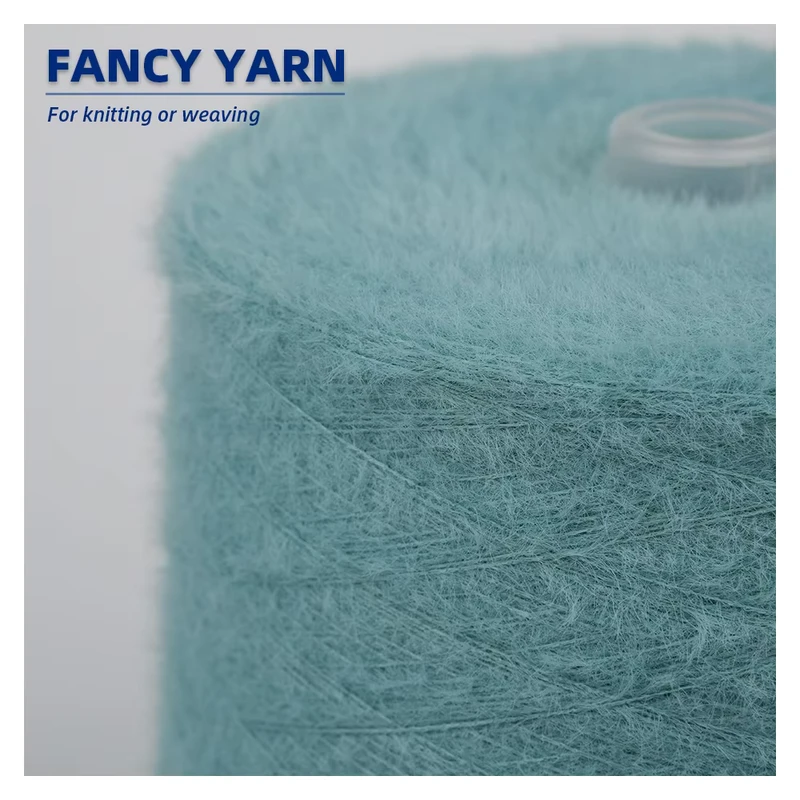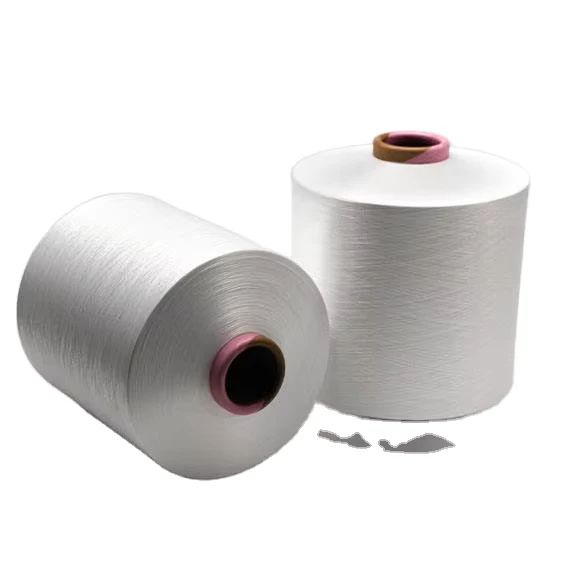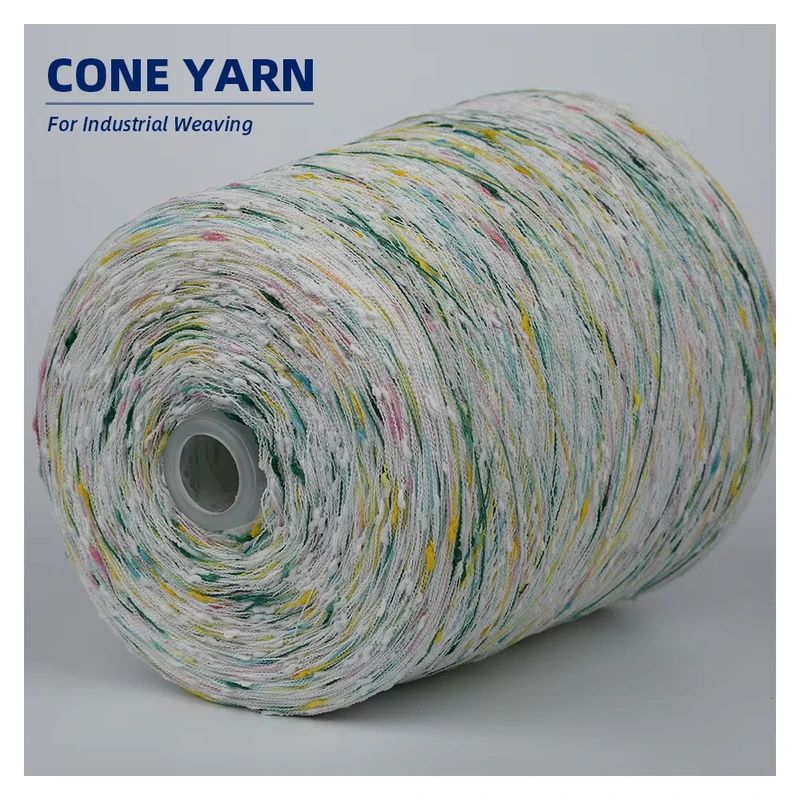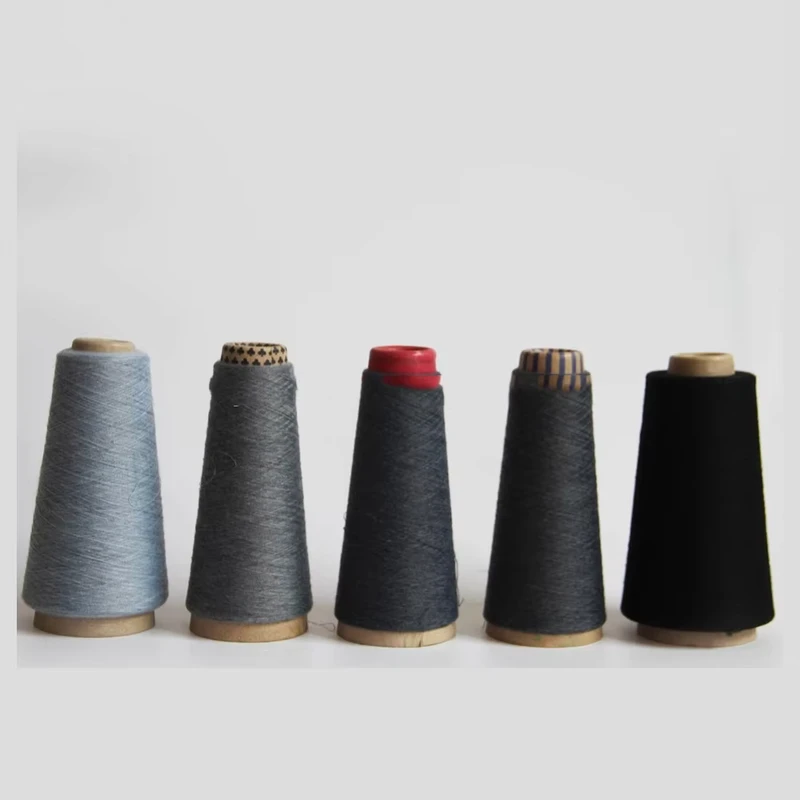
Compare fine monofilament, pearlescent feather yarn and jumbo chenille to source the right structure, finish and pack format for your market.
Specialty yarn sourcing starts with a practical question: what should the yarn contribute to the finished product? A fine filament can add subtle structure, a reflective feather yarn creates visible sparkle, and chunky chenille delivers volume and softness. Understanding these differences helps importers and product developers request relevant samples instead of comparing yarns only by price.
Three constructions for different product ideas
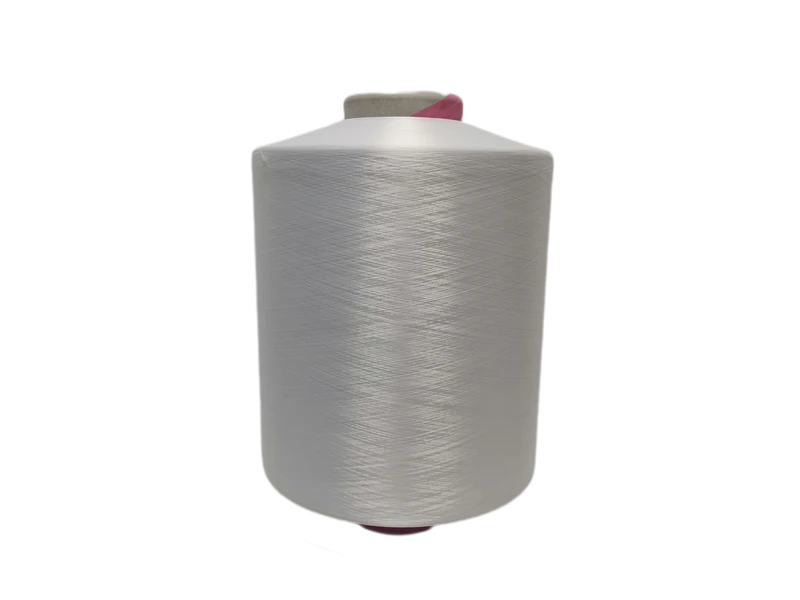
The fine monofilament yarn features a 30D/1F construction and is identified as a polyamide/polyester option. Its single-filament format is worth evaluating for projects that require a slim, defined yarn structure. Buyers should confirm the exact polymer, color, winding format and available stock before placing a production order.
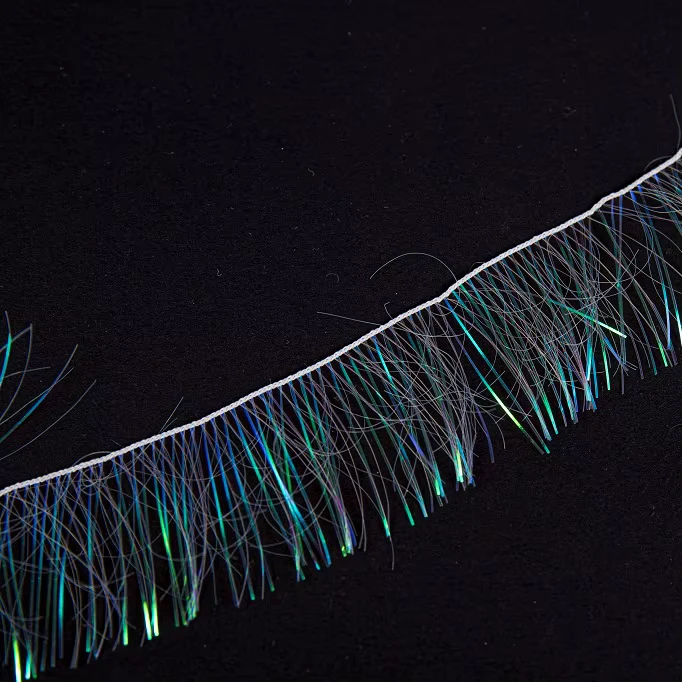
For decorative surfaces, the pearlescent feather yarn combines nylon and metallic character with an eyelash-style appearance. It is intended for fly tying, hand knitting, embroidery and other DIY applications. The listed decorative fiber length is one inch, while the stated MOQ is 100 kg, making color planning and assortment forecasting important for wholesale programs.
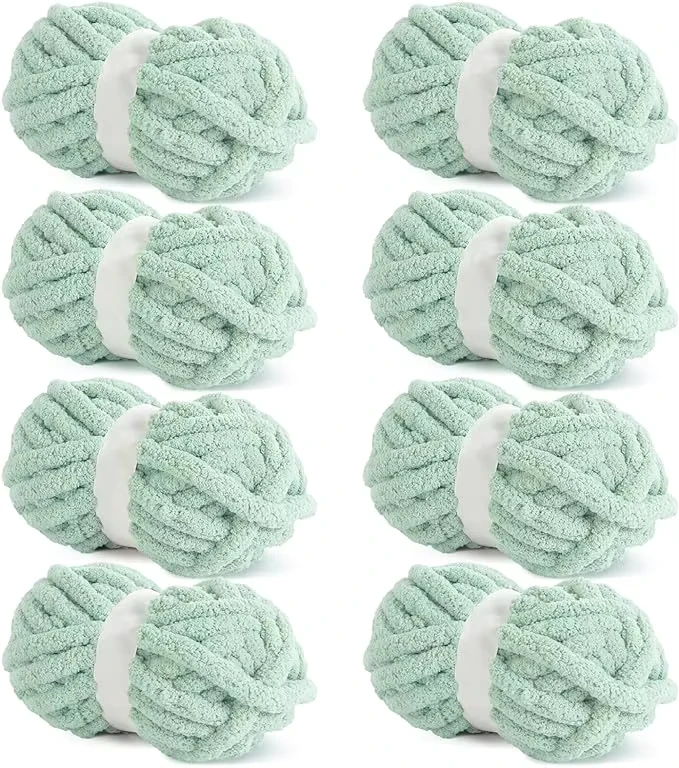
The jumbo chenille yarn takes the opposite approach to scale. Made from 100% polyester, this dyed velvet-style yarn is specified at approximately 200 g per 42 m. Its bulky construction suits blankets, knitted bags and other projects where plush texture and rapid visual coverage are central to the design.
Prepare a clearer sourcing request
Before requesting a quotation, specify the intended application, target colors, order quantity, packaging, testing requirements and destination port. Sample evaluation should cover appearance, evenness, handling and compatibility with your production method. Explore the broader textile yarn range, then contact the supplier with your specifications for availability, sampling and commercial terms.