Compare knot, centipede-like and black DTY polyester yarns for weaving, knitting and surface-focused textile development.
When fabric character depends on more than color, yarn structure becomes a practical design tool. Knot effects can add visual rhythm, irregular profiles can create dimensional surfaces, and uniform texturized filament can provide a dependable foundation. Buyers exploring polyester textile yarns should therefore evaluate each format by its intended role rather than price alone.
Three Structures, Three Creative Directions
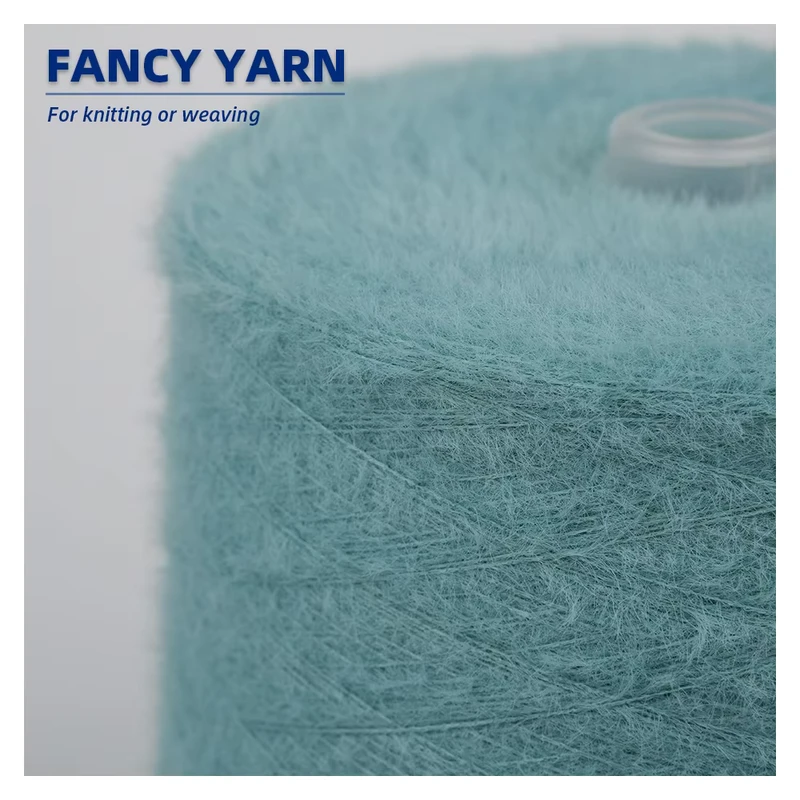
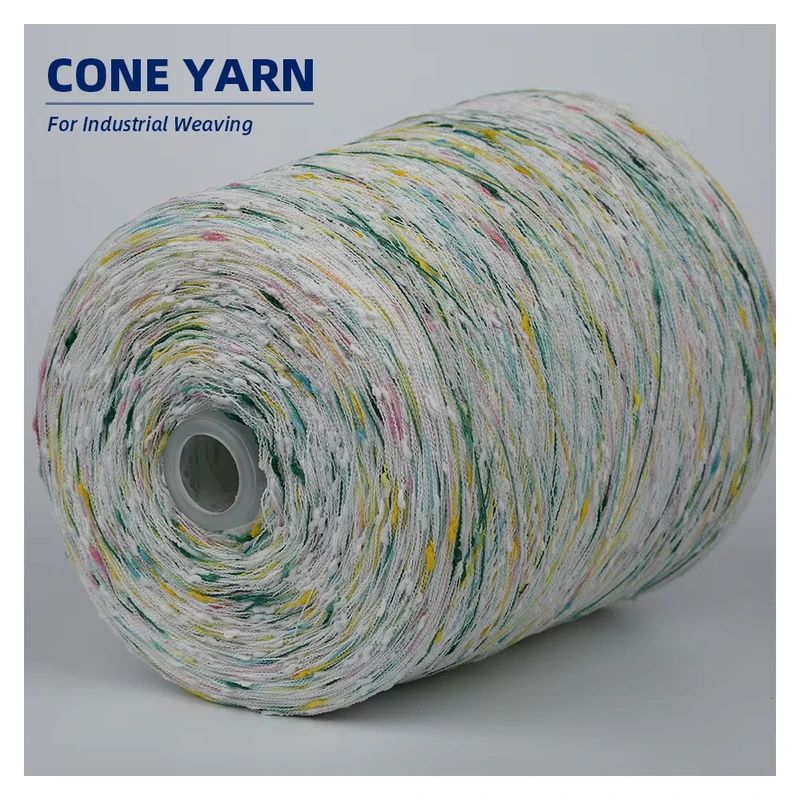
The 11.5NM knot yarn is a 100% polyester fancy twister yarn developed for weaving. Its repeated knot pattern introduces deliberate points of interest, making it relevant to decorative fabrics, fashion textiles, accessories, and other constructions where the yarn should remain visible.
For a more intricate profile, the 18NM centipede-like yarn offers a distinctive linear texture. Also made from 100% polyester, it can support woven surfaces that require movement and tactile depth. Sampling is especially important because loom settings, yarn spacing, and neighboring yarns will influence how strongly the effect appears.
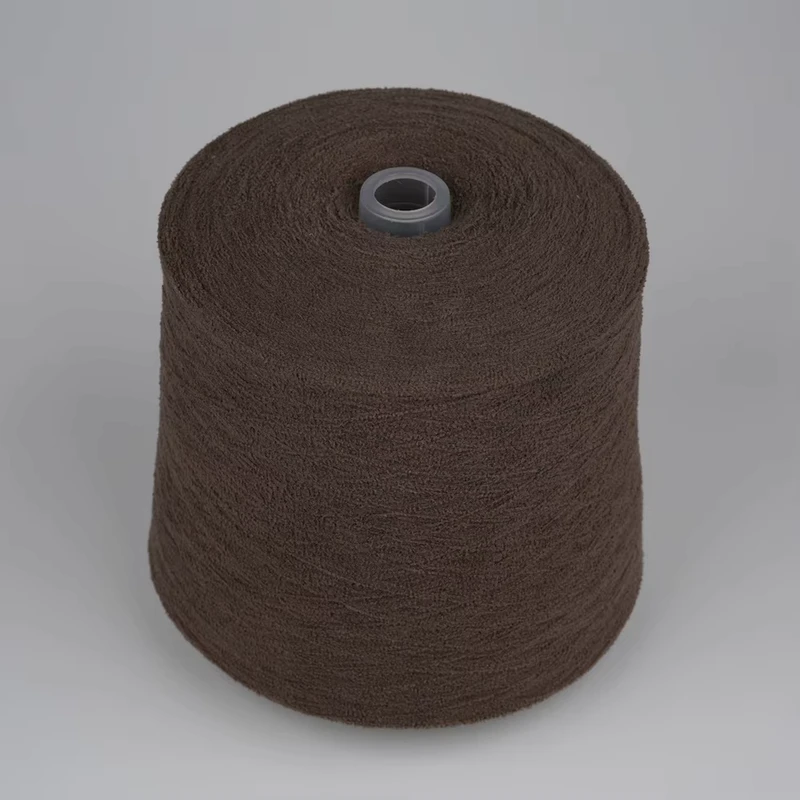
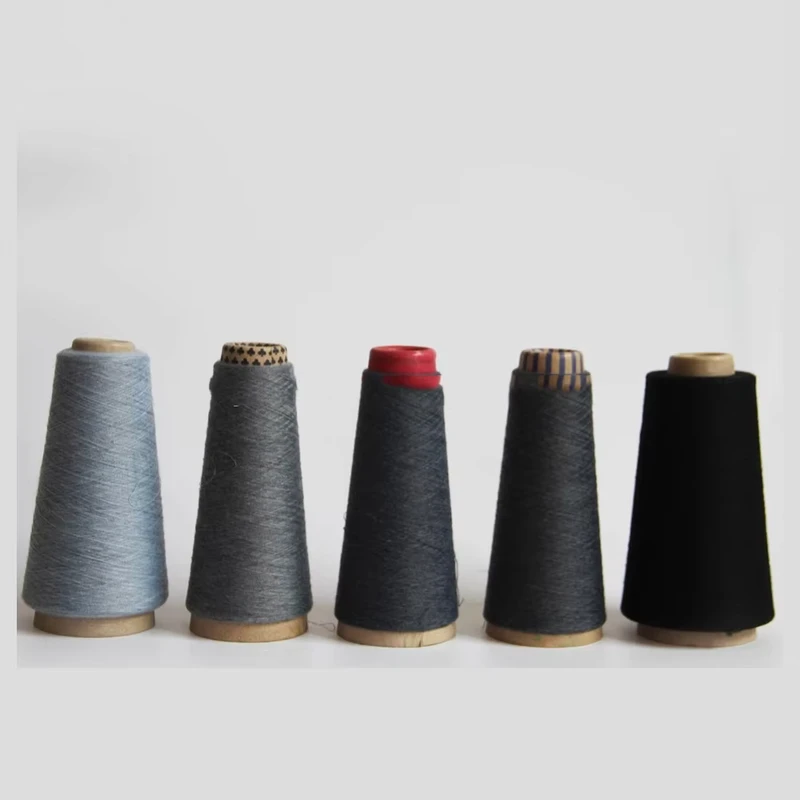
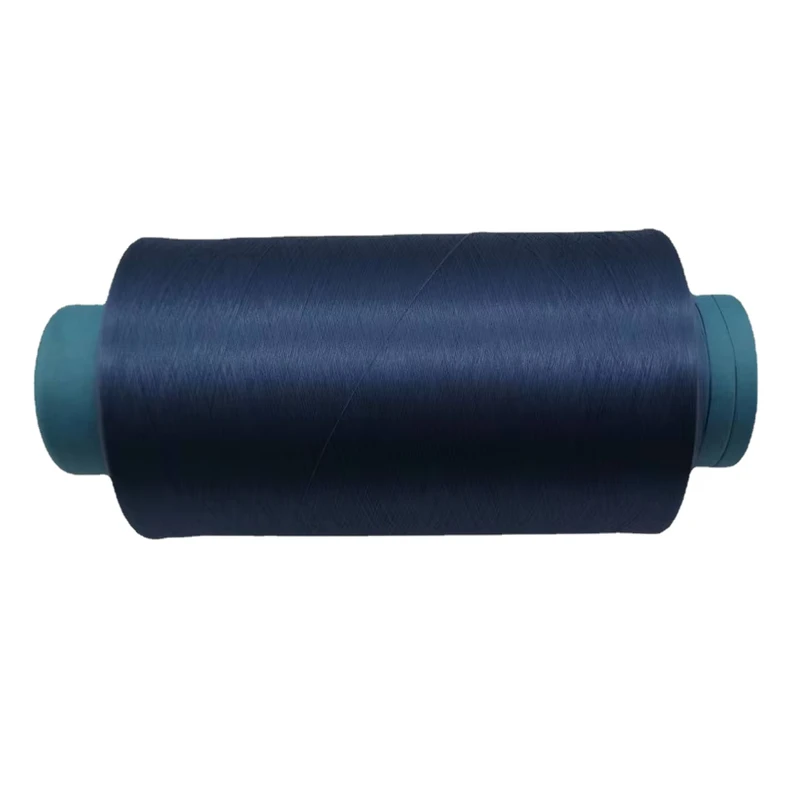
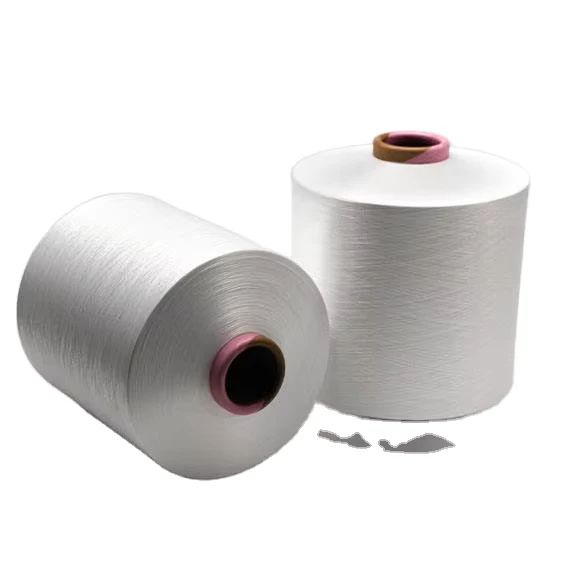
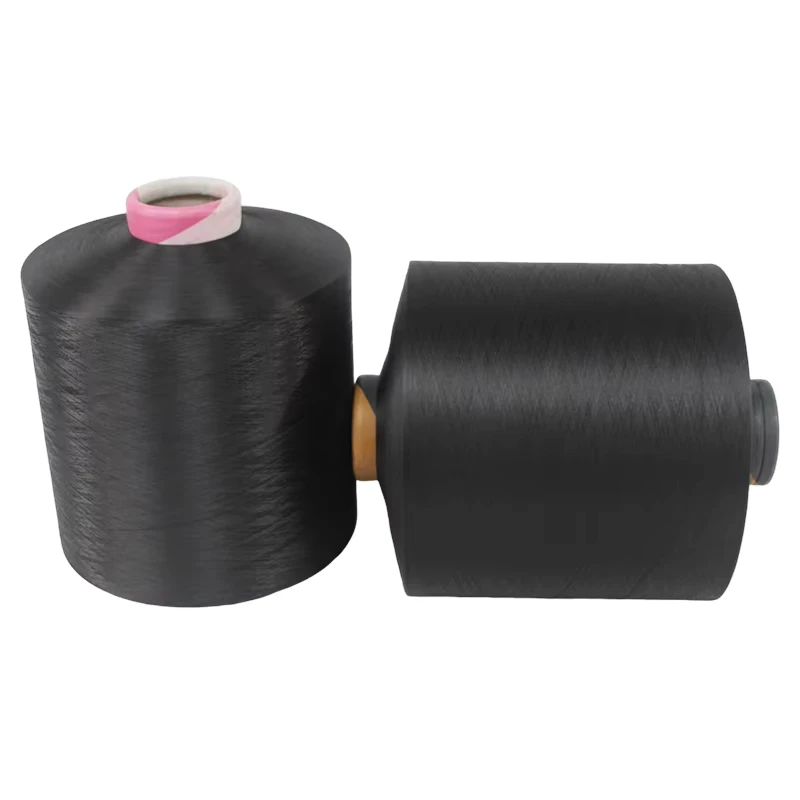
By contrast,black polyester DTY provides a more regular option for knitting, weaving, sewing, embroidery, and related textile uses. This dope-dyed black, NIM, AA-grade yarn is described with high-tenacity and anti-pilling features, making it suitable for buyers who need consistent dark coloration and versatile processing potential.
Build a More Useful Sourcing Brief
These yarns are complementary rather than interchangeable. Before requesting a quotation, specify the fabric construction, end use, target hand feel, required color, test standards, and estimated order volume. For fancy yarns, include a reference swatch or surface image when possible; for DTY, confirm the required denier, filament count, intermingling level, twist direction, and performance criteria.
A clear technical brief makes sample evaluation and commercial discussion more efficient. Contact us with your application and purchasing requirements to explore suitable polyester yarn options for your next textile program.